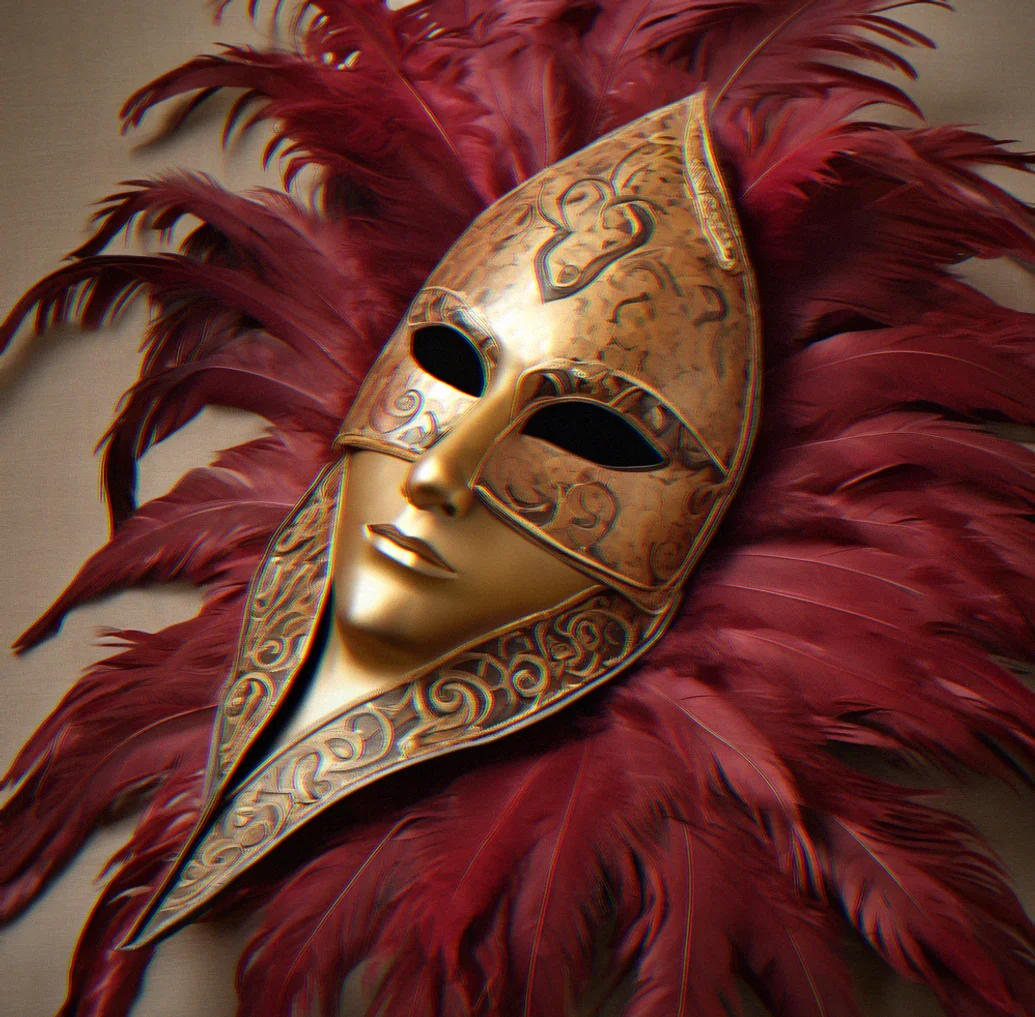
Volto form, full coverage. Deep crimosn with gold details.
Order bespoke masks and matching pieces for your gala, ball or themed event.
Hiddenfield makes hand-painted masks using the traditional Venetian technique. We layer papier-mâché and finish each one with oil-based pigments, feathers, and Murano glass beads. Plan for 6 to 8 weeks per order—everything is made specifically for you. We don't keep stock or cut corners. If you're planning a formal masquerade, this is what you want to commission.
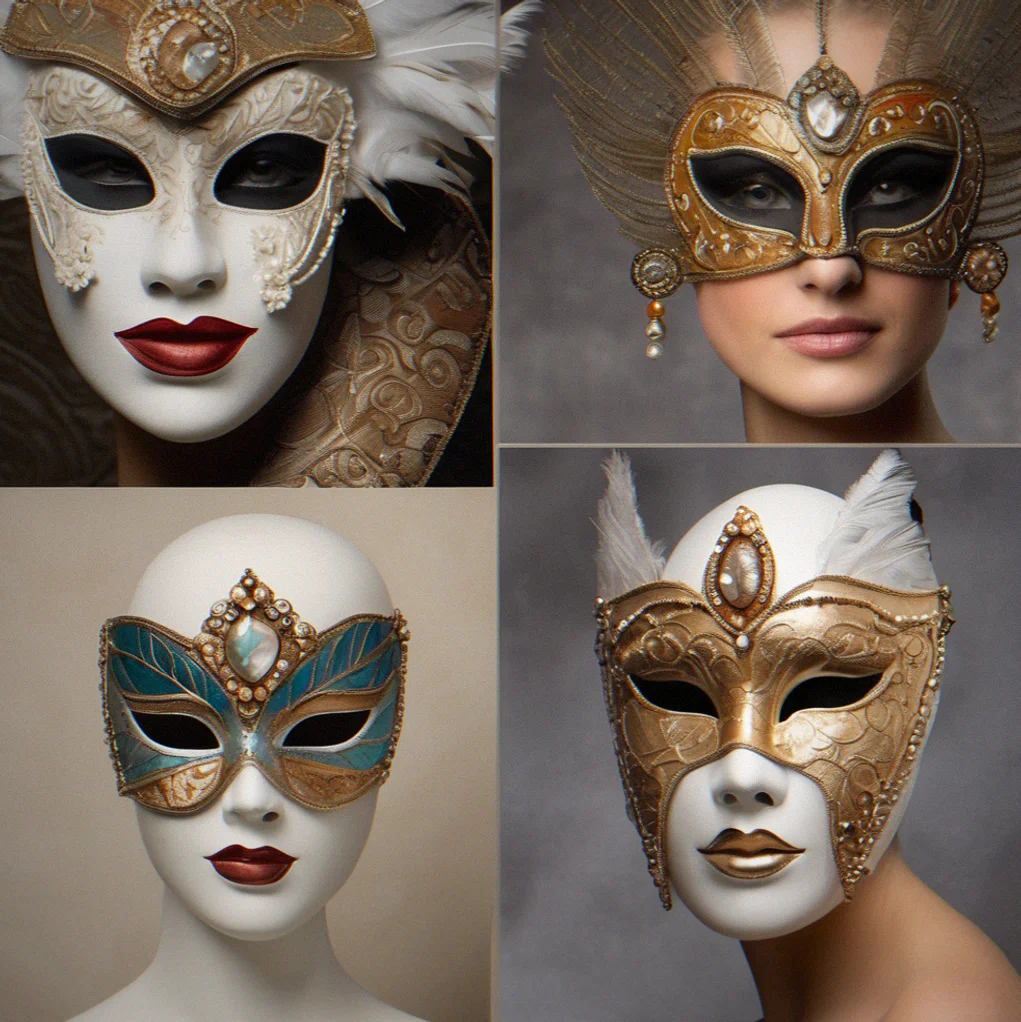
So what's the journey from initial sketch all the way to wearing it at the event? These masks show the range of what I do — different shapes, different feathering styles, different levels of beading intensity. They were all made for specific galas, balls, or private events between 2024 and 2026.
Volto form, full coverage. Deep crimosn with gold details.
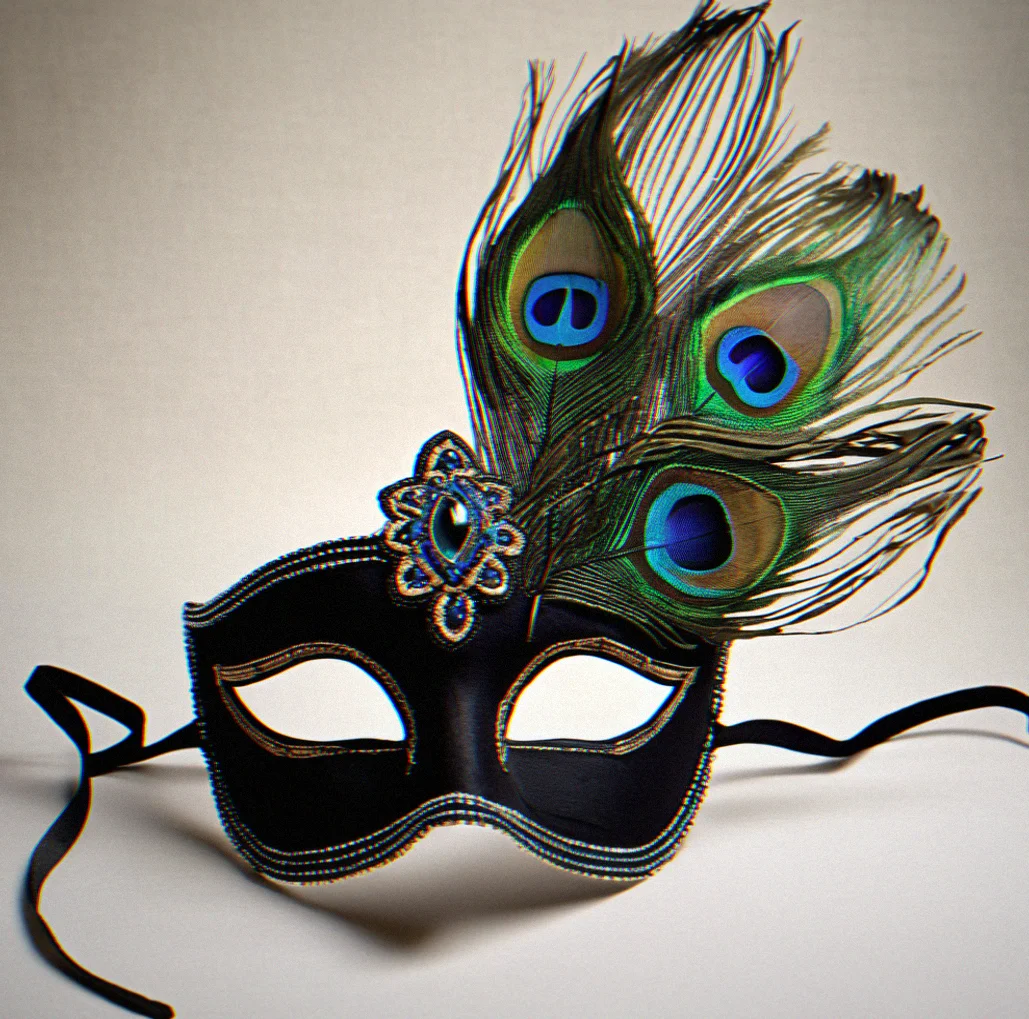
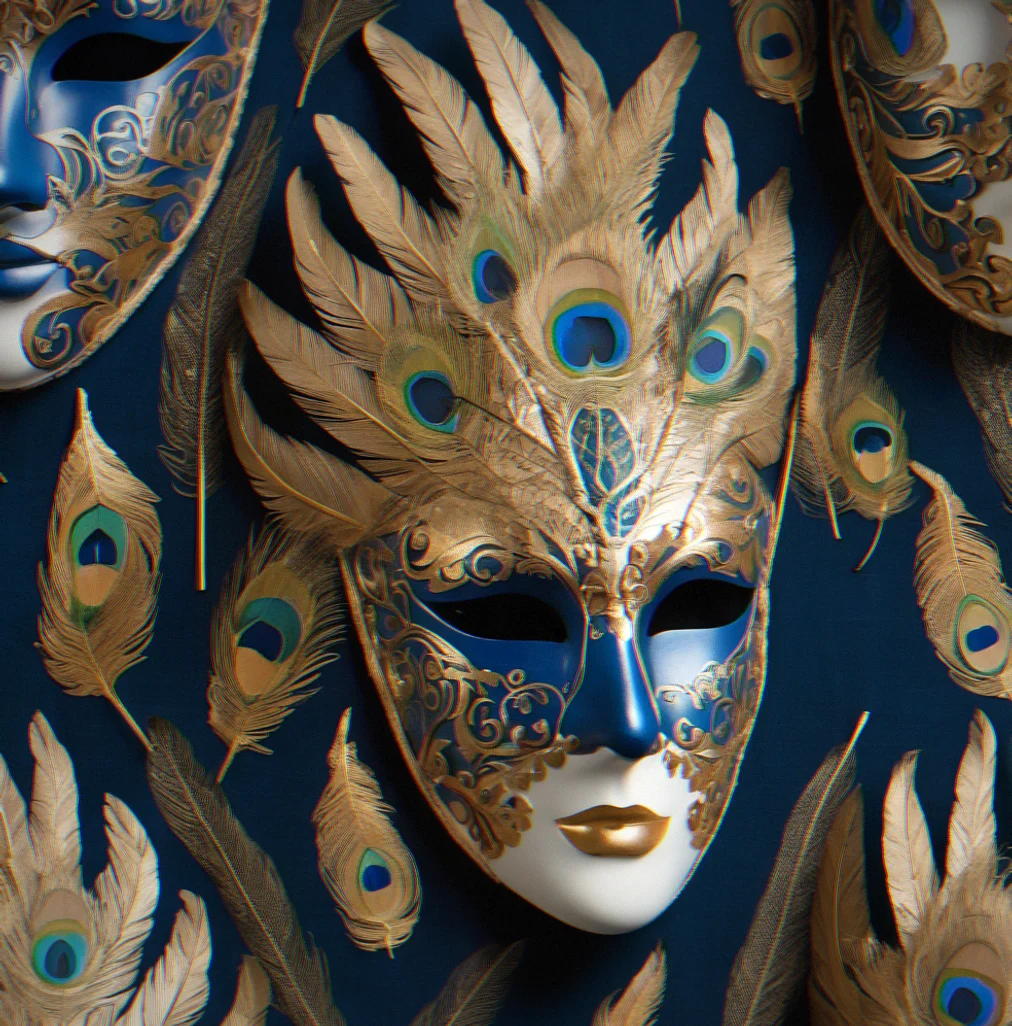
Colombina half-mask with seed-bead work across the bridge and peacock feathers.
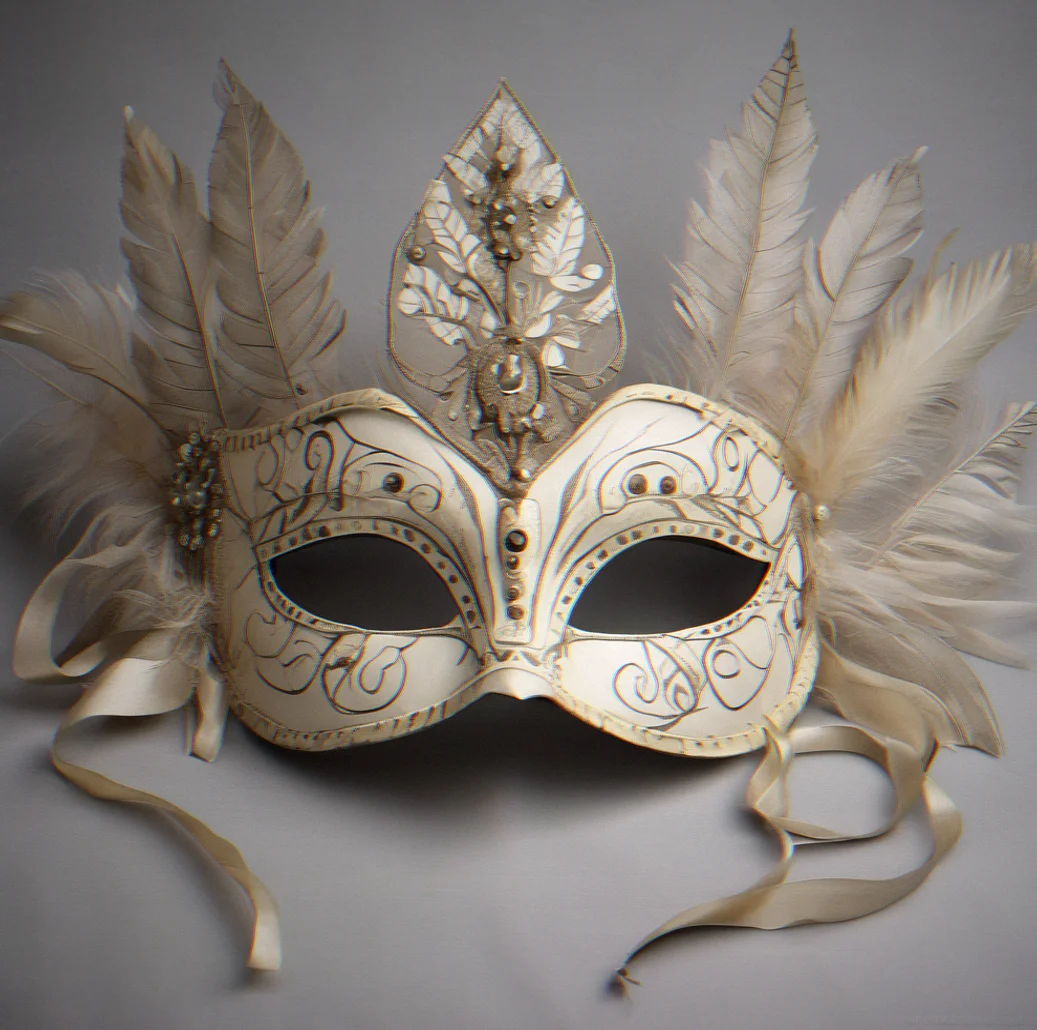
Larva domino with an integrated tiara. Pretty minimal overall.
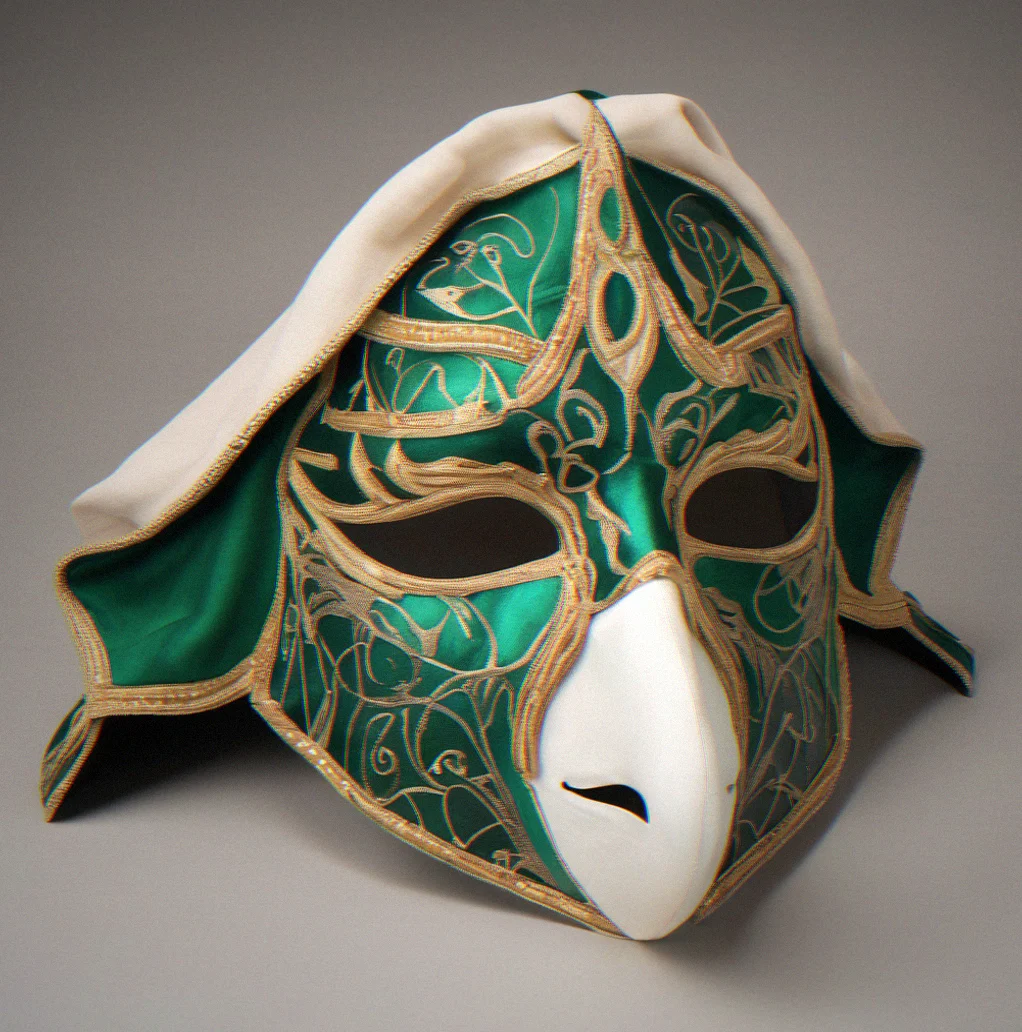
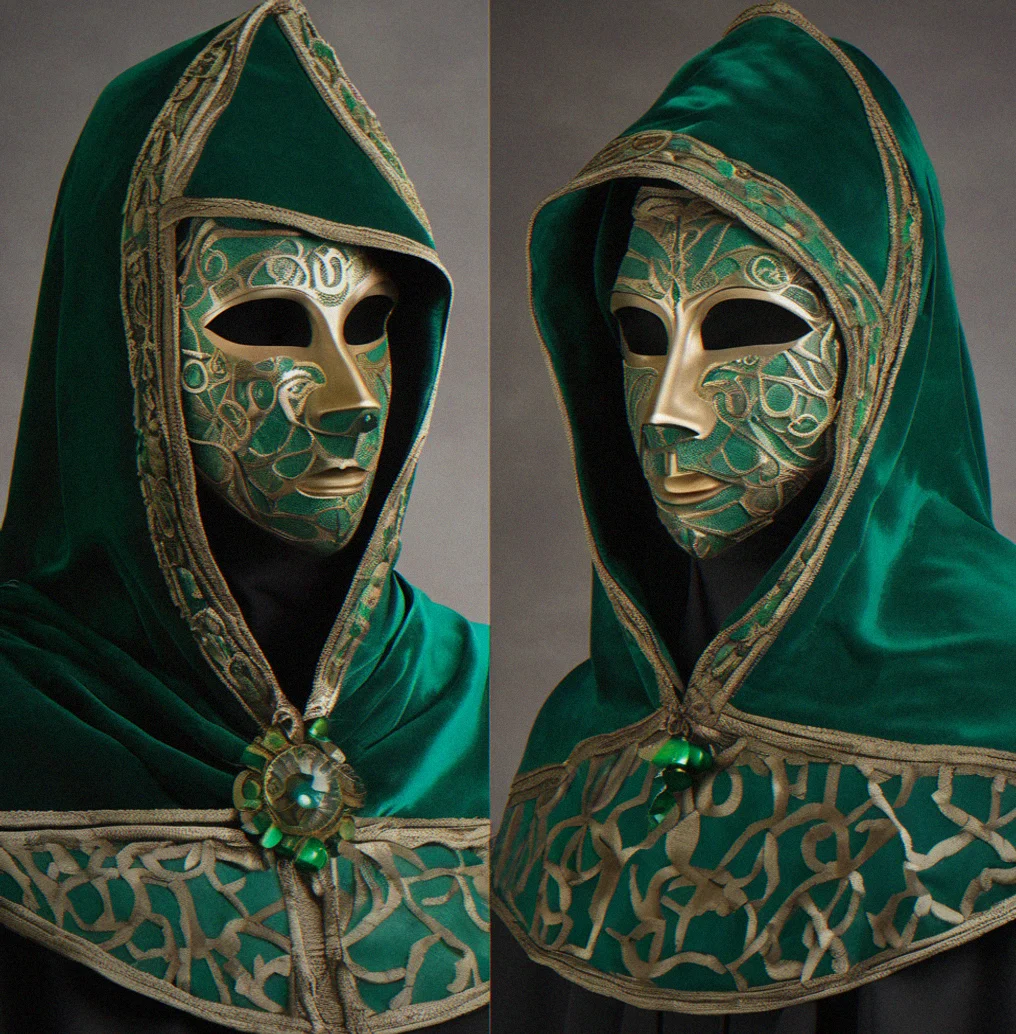
Bauta paired with a matching cloak. The silk velvet was hand-dyed to coordinate.
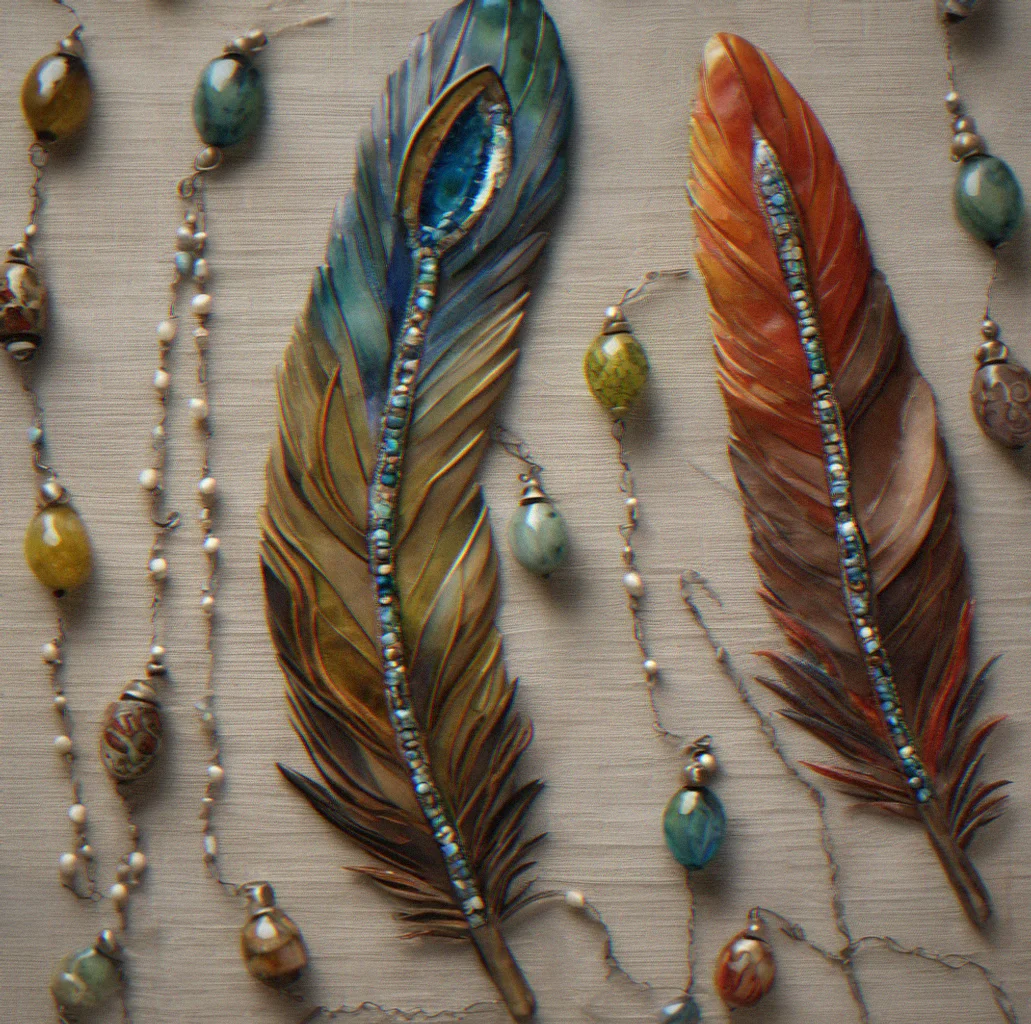
Up close: oil pigment layers and Murano glass details.
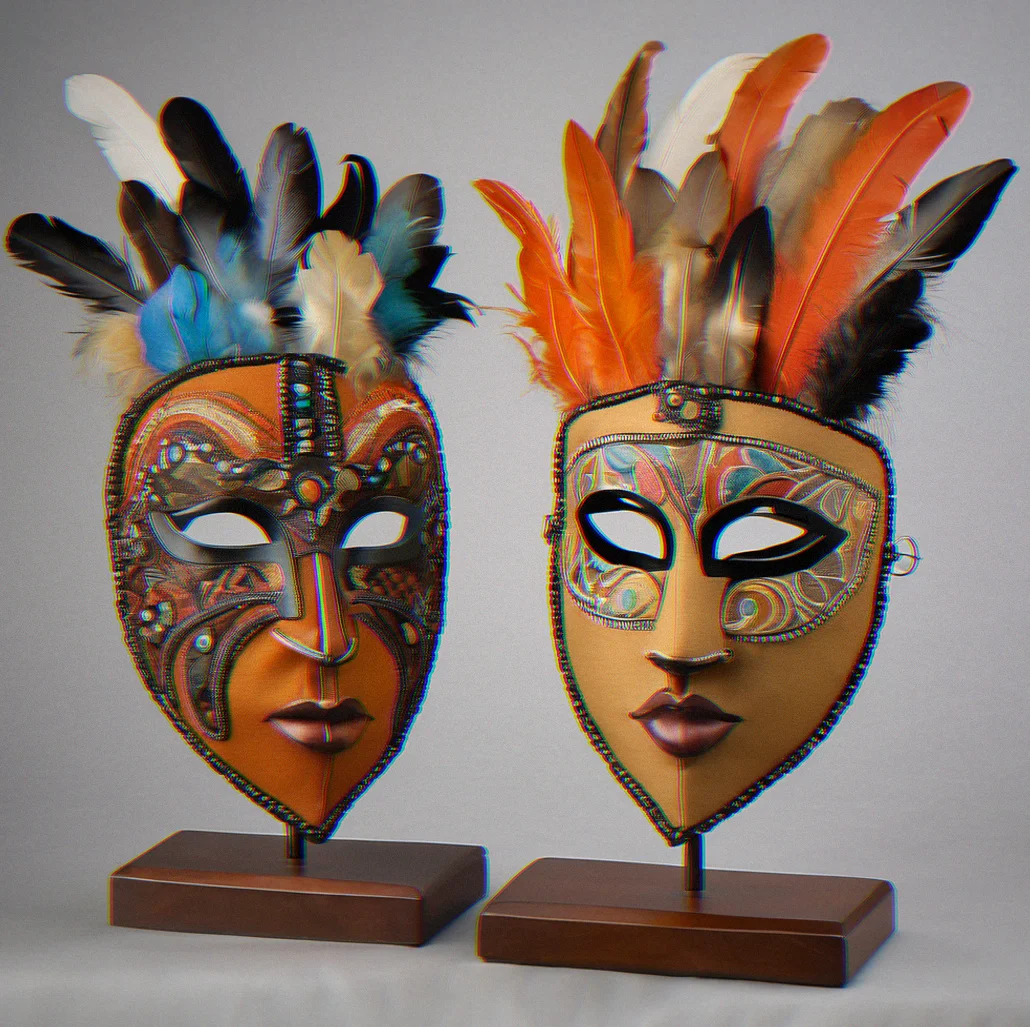
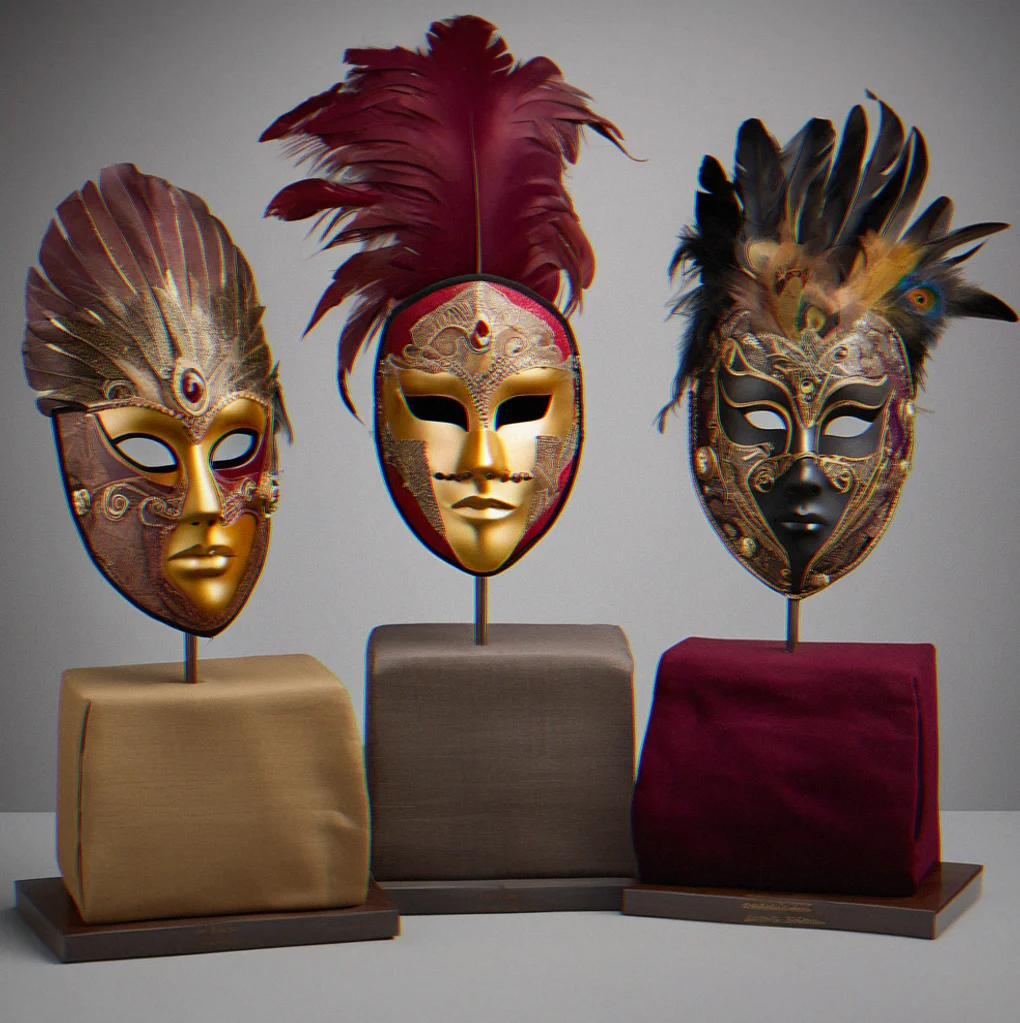
A full set made for coordinating guests. Three completely different approaches, one event.
Each mask is built by hand, not sitting in a stockroom somewhere. The papier-mâché base alone needs three weeks just to cure and sand down. So when you order, you're actually waiting for the work to happen.
Hand-painted oils behave differently on papier-mâché than spray paint does. The surface soaks up color gradually, which creates real depth. Event lighting picks this up.
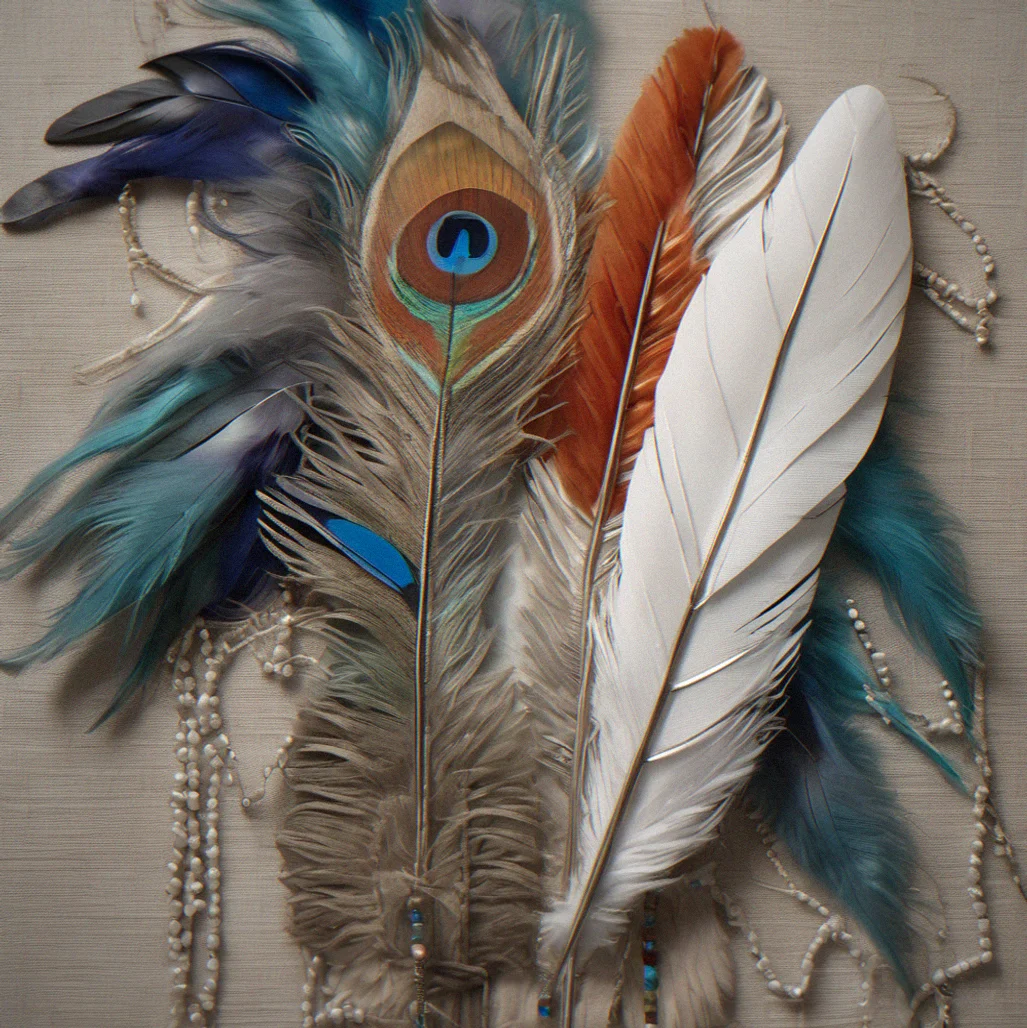
Every mask gets between 40 and 60 feathers, each attached by hand. Ostrich, peacock, marabou sourced from Como and Lyon. No two masks feather the same way.
Beading comes from Venetian suppliers for the glass pieces. The beader works off sketches but makes placement adjustments as they go. Crystal and seed beads throw light differently depending on where they sit.
Coordinating pieces in hand-dyed silk velvet or wool blend. Cloaks range from lighter to heavier depending on what you want. Tiaras can attach to the mask itself or work standalone.
Hiddenfield doesn't keep pre-made masks in a warehouse waiting around. Everything builds to order for your specific event. You're not getting something that almost sold to someone else.
Lighter than plastic or resin, so wearing it through a long event is easier. The material has a little give and feels different on your face. People feel the weight difference right away.
Less than ten weeks out? Hiddenfield manages it, but the price goes up and there's only so much capacity available at rush speed. Ordering ahead keeps both the cost and the quality where they should be.
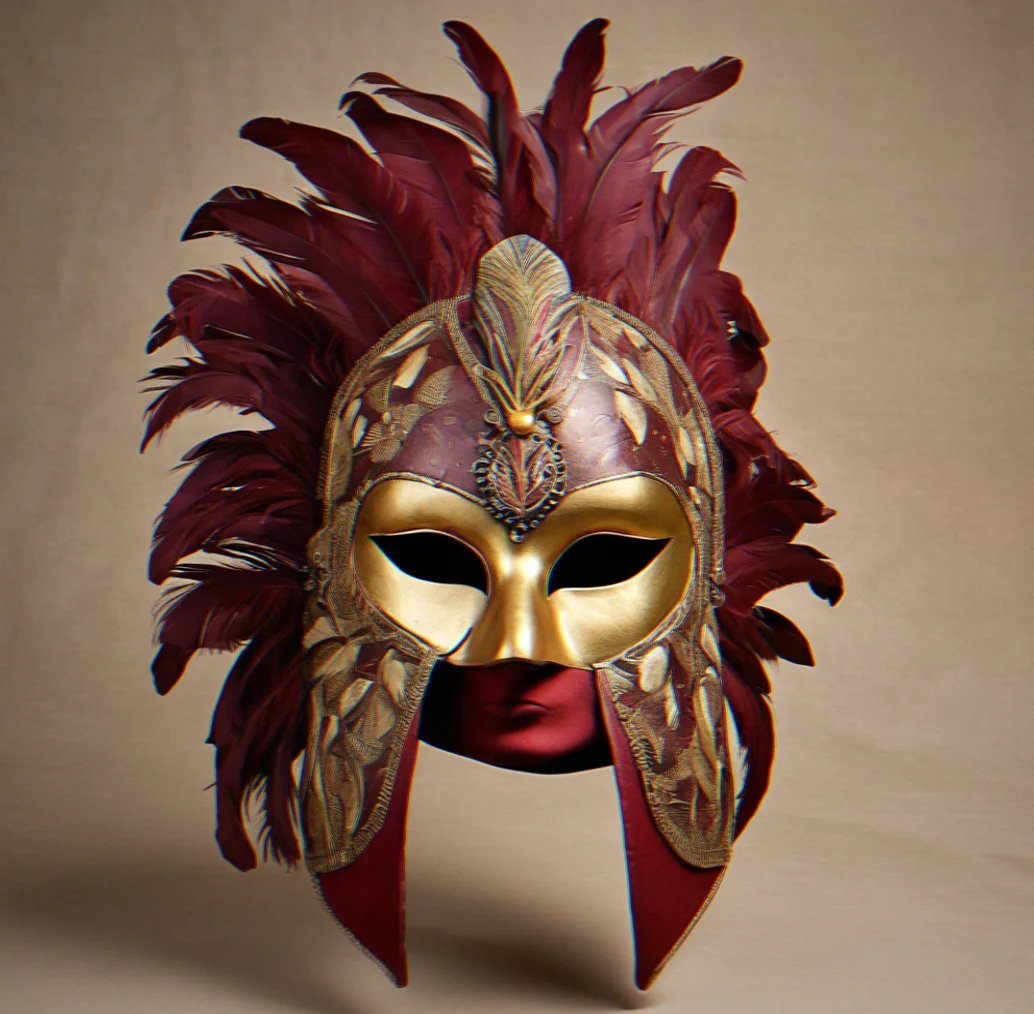
This one covers the whole face from forehead to jawline in that classic Venetian style. You can still see and eat without struggling, which matters if dinner's involved. Most of the decorative work happens across the top half and temples, keeping the lower face simple.
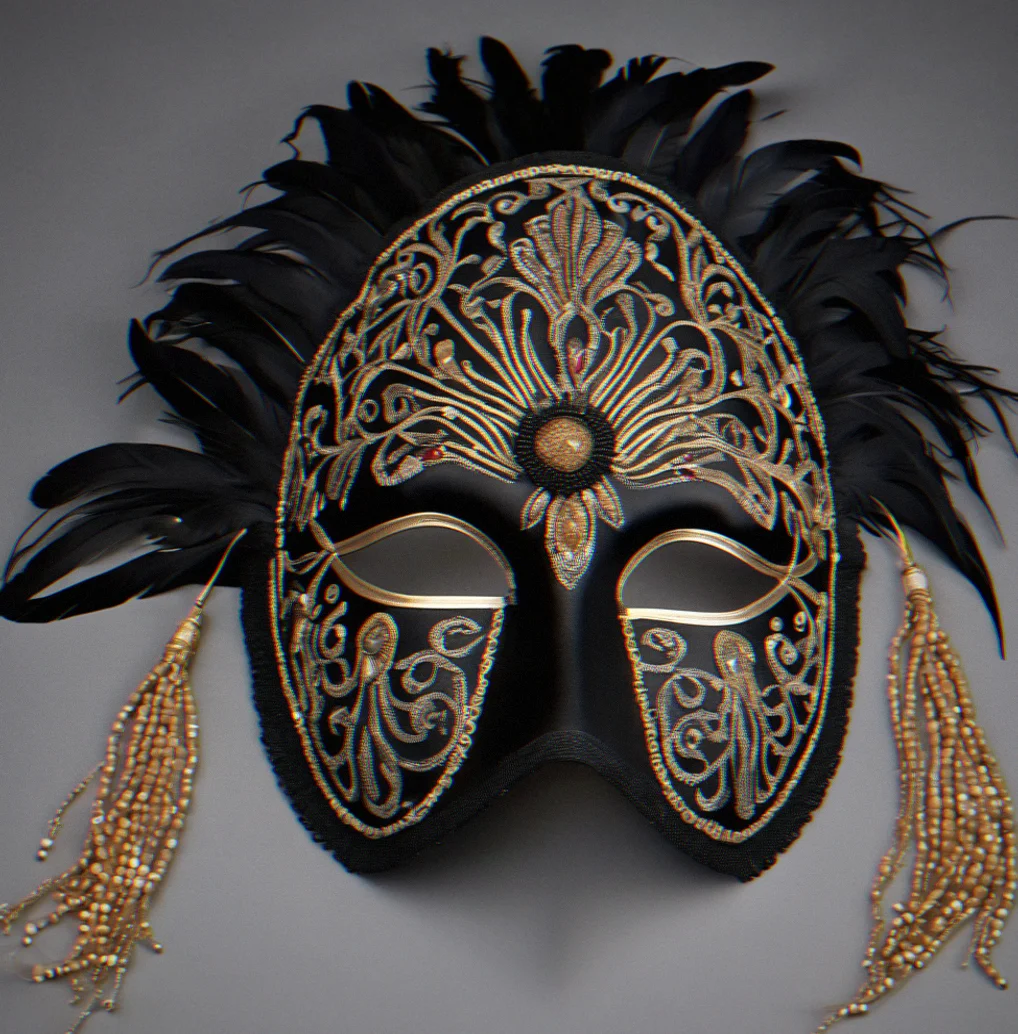
Half-mask, which means your mouth and chin stay visible. It comes from the Commedia dell'arte character of the same name. If you're hosting and want to actually eat and drink without removing the thing every five minutes, this is your answer. People can recognize you too, and conversation floows naturally.
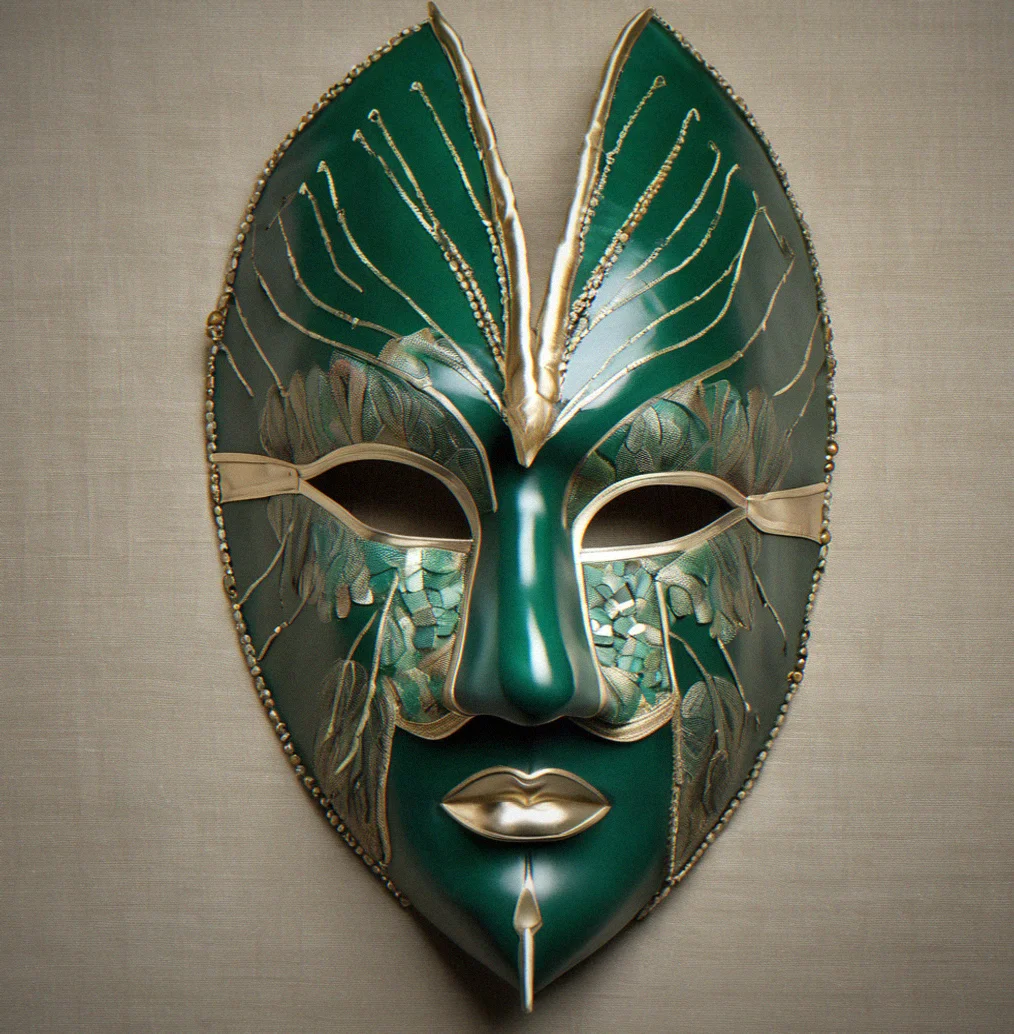
Full coverage except for the chin and lower face. The nose ridge is prominent and distinctive. Venetian aristocrats wore these during Carnevale, so there's real history attached to the form. It reads as formal and unmistakably Venetian. Honestly, it only looks right on certain face shapes, but when it works it's striking.
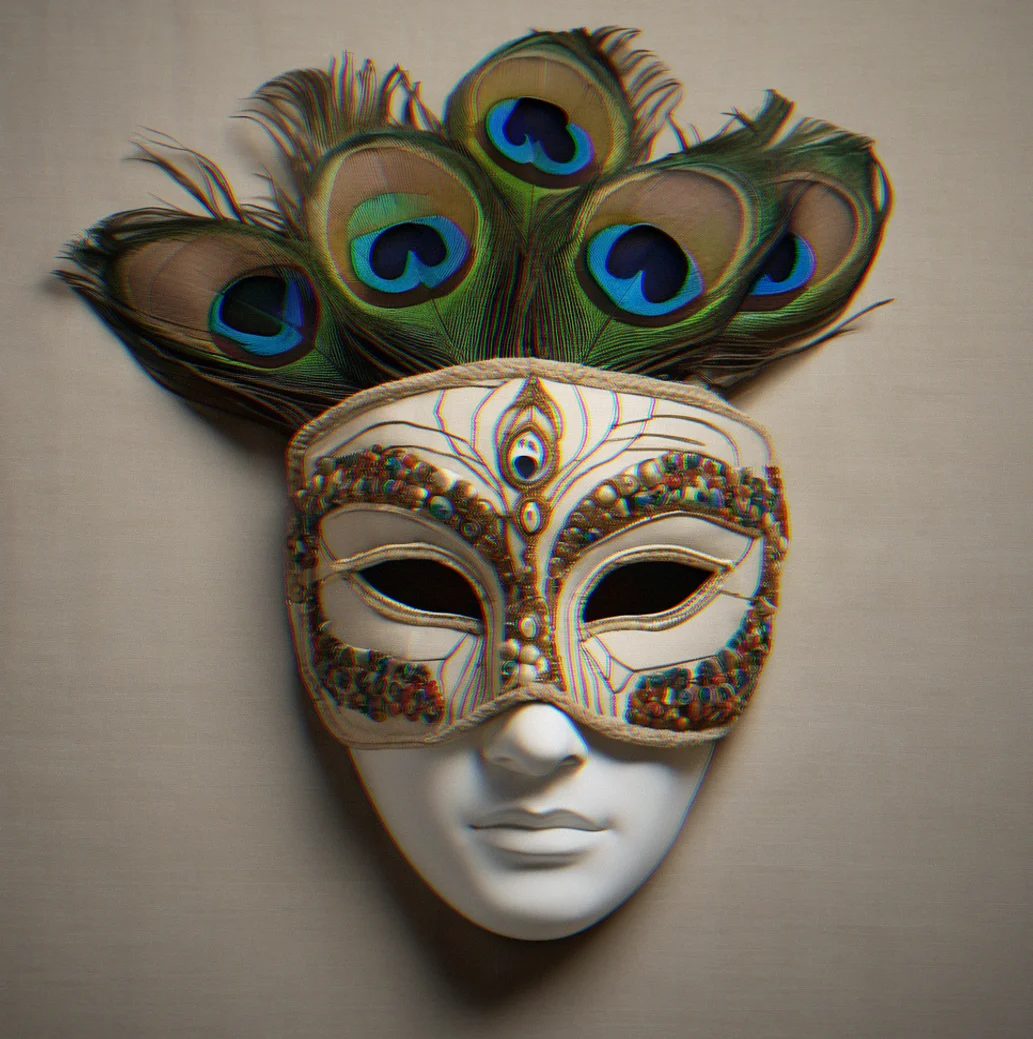
Domino style that shows just the eyes and nose. Minimal and elegant. Go this route if your event is leaning toward something more understated than full spectacle. You might see three clustered peacock eyes or some seed-bead detail along the bridge. Otherwise it stays clean.
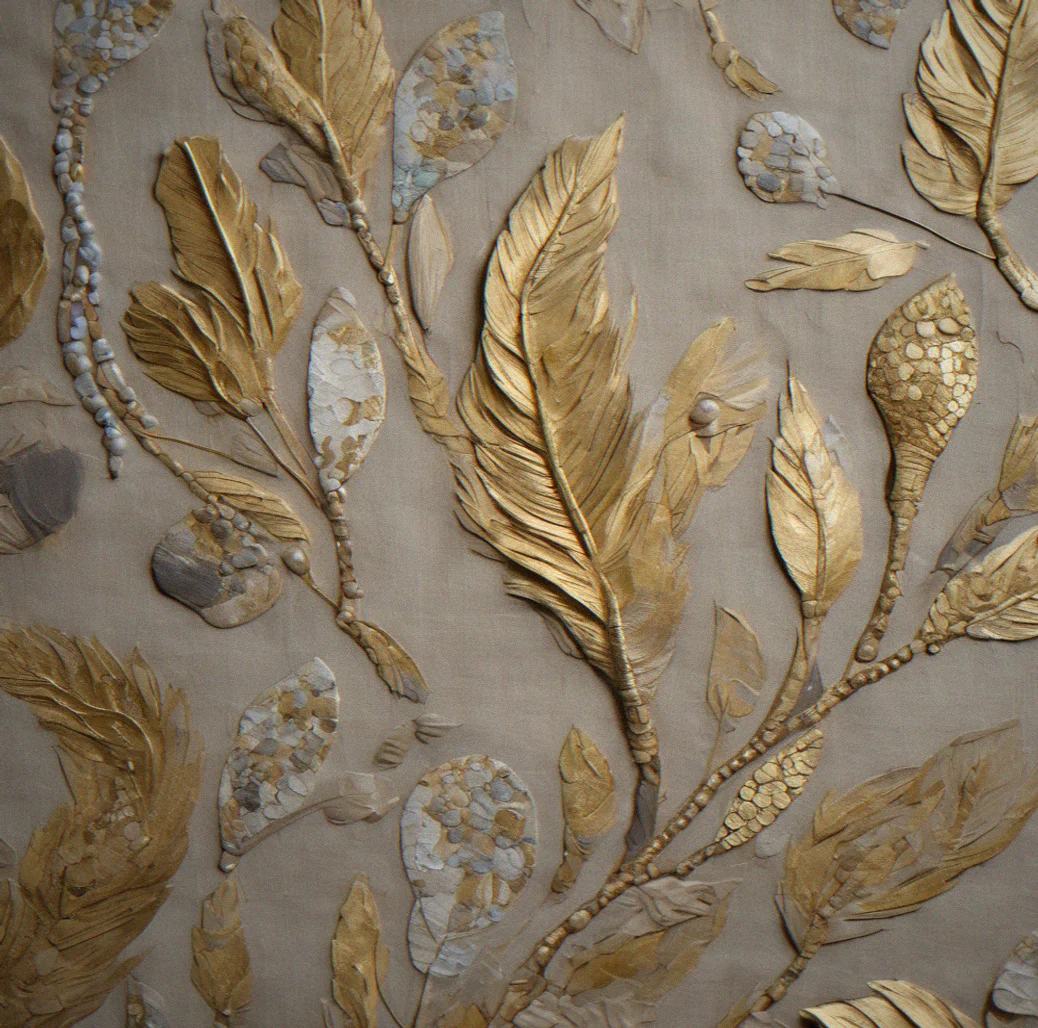
Paper pulp gets layered onto wooden forms, then dried and sanded smooth. Oil pigments go on by hand across several coats—no spray paint involved. The finish has this soft sheen when light hits it, nothing like plastic. Compared to resin alternatives, it weighs much less, and guests definitely feel the difference after a couple hours of wearing it.
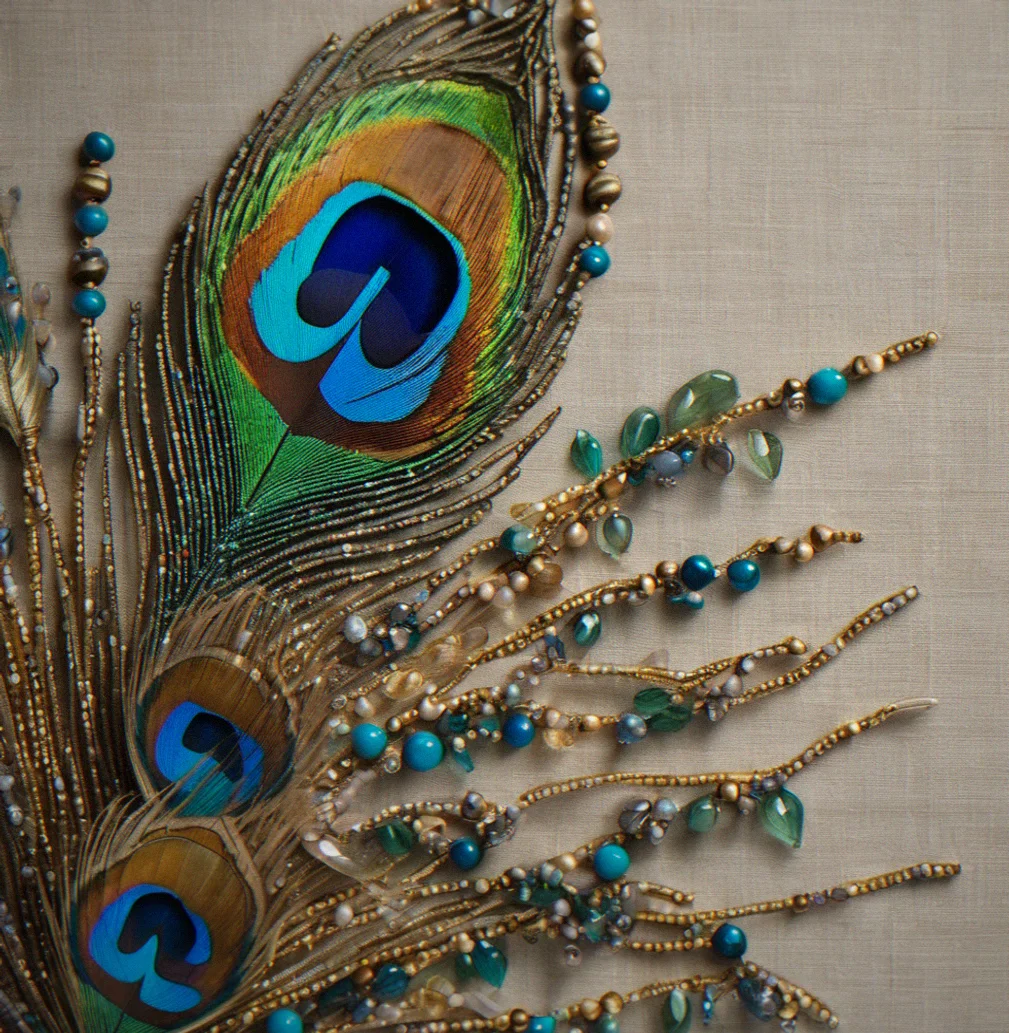
Feathers come from suppliers in Como and Lyon—ostrich, peacock, marabou. Each mask gets somewhere between forty and sixty of them, all attached with archival adhesive so they actually stay put. The beading work pulls Murano glass for the big focal points and seed beads for filling in detail. The beader works from sketches but will shift things around as they go, depending on how the light actually lands on the piece.
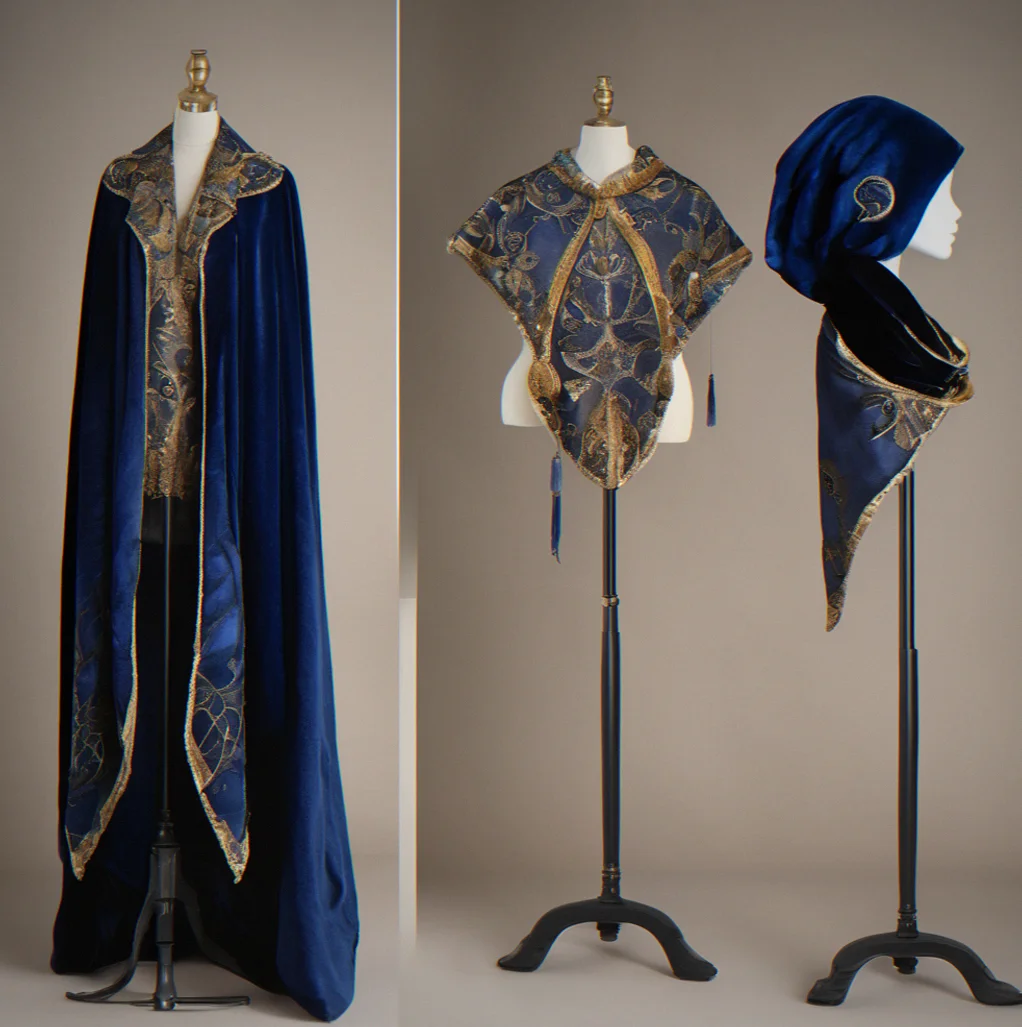
Cloaks in hand-dyed silk velvet or wool blend That can run anywhere from fairly light to substantial weight. Tiaras and headdresses either integrate into the mask itself or work as standalone pieces. You can build custom sets for multiple guests that tie the look together without forcing everyone into identical Masks.
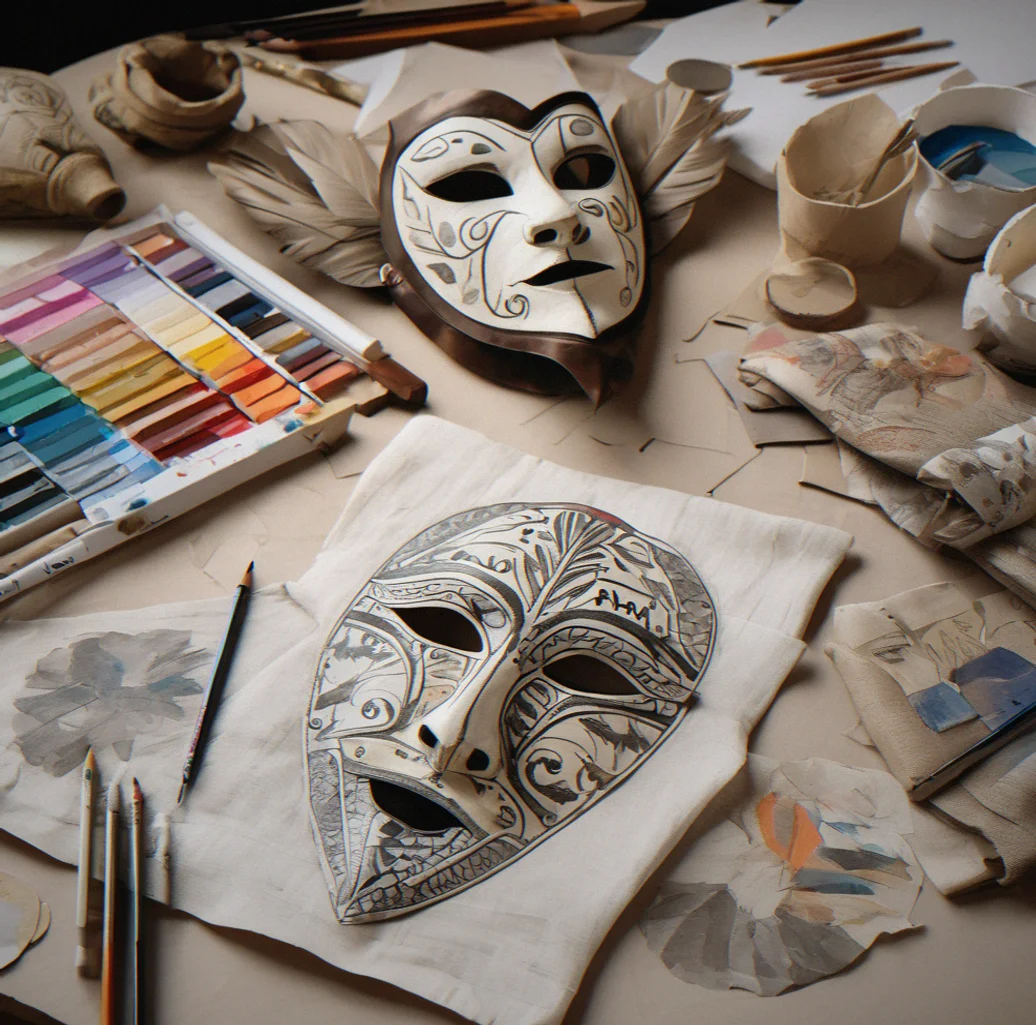
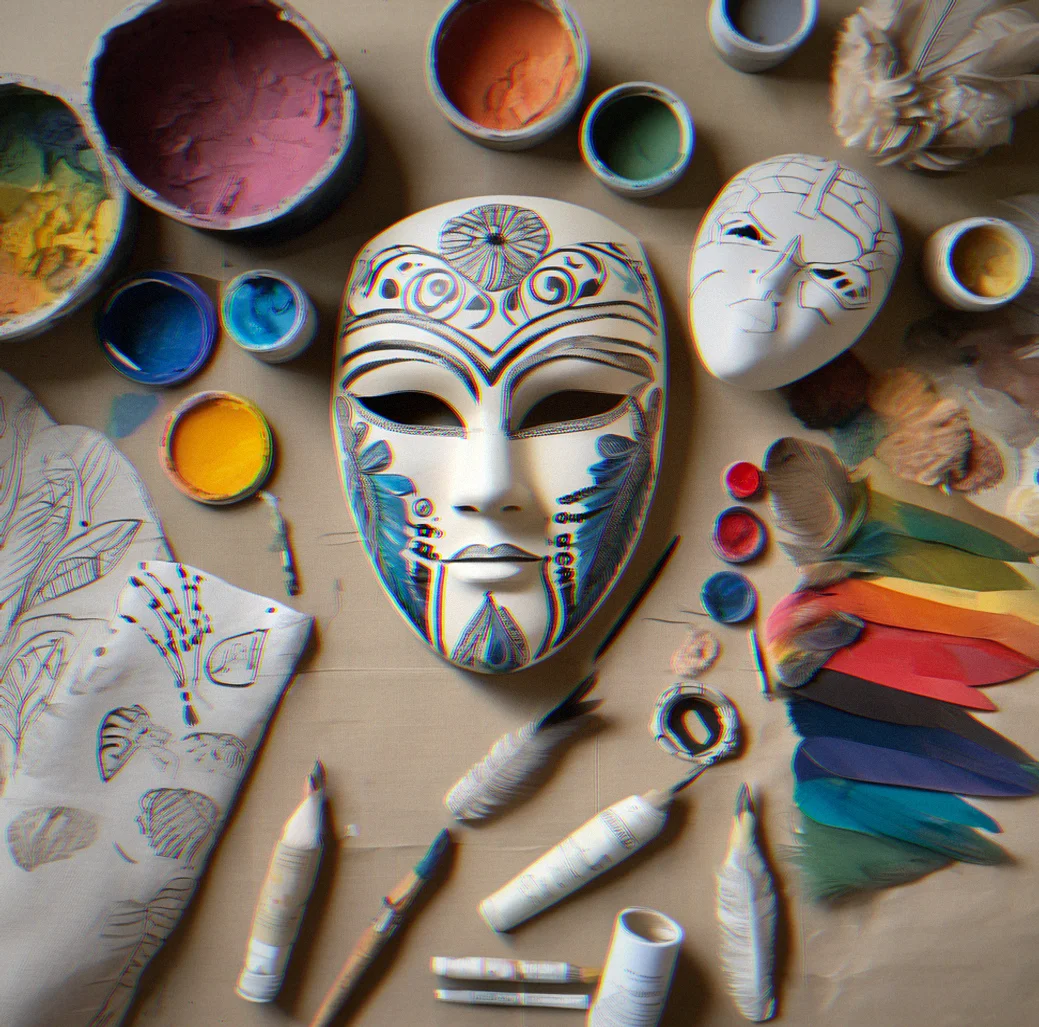
Getting started with Hiddenfield means booking a consultation call—about half an hour. You walk through the basics: when's the event, how many people, what colors are you drawn to, any historical or thematic elements you want to echo. Hiddenfield will dig into the details too. Are we talking indoor or outdoor lighting? Is this a seated dinner or cocktail-style standing reception? Should the mask pick up the gown color or work against it? Then you wait five to seven days. Three to five design sketches show up in pencil and watercolor. They're rough—not polished renderings, just sketches. But they're clear enough that you can see how the proportions sit, where the feathers land, which areas get the bead work. Pick the direction that speaks to you, or ask for tweaks. Once you approve, half the total cost locks in your spot and the clock starts ticking on production.
Depending on how many masks are in the queue, you're looking at somewhere between 10 and 20 weeks. Around the midpoint—week 4 or 5—a photo arrives showing the papier-mâché shell before any paint touches it. Your last chance to flag anything before color goes on. Once that's done, you're in the home stretch. The finished mask gets packed in a custom box with care details, material info and a certificate that credits the artist and notes when it was completed. From there it's just setup and the big night.
Most of these took about two months from first sketch to final delivery. I made them between October 2025 and July 2026 for private galas, formal balls, and coordinated event sets across Europe and North America.
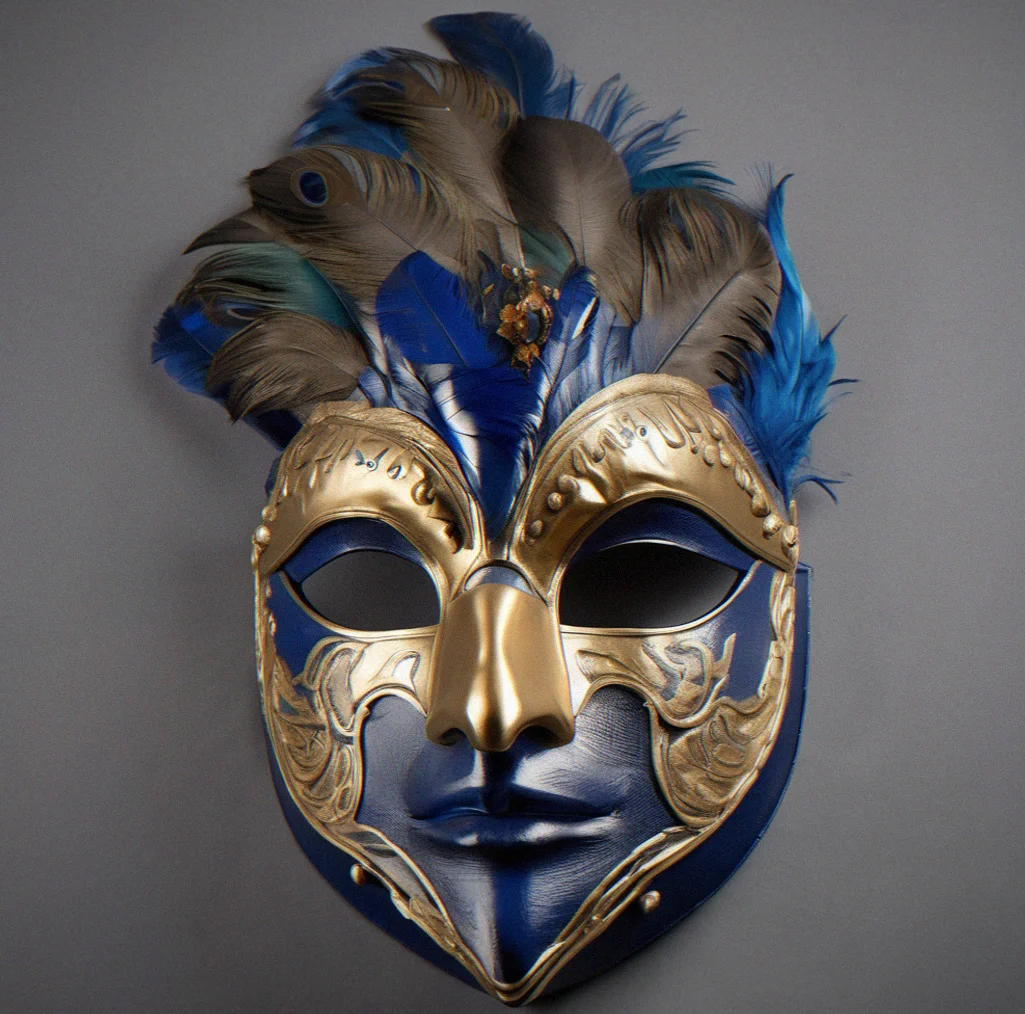
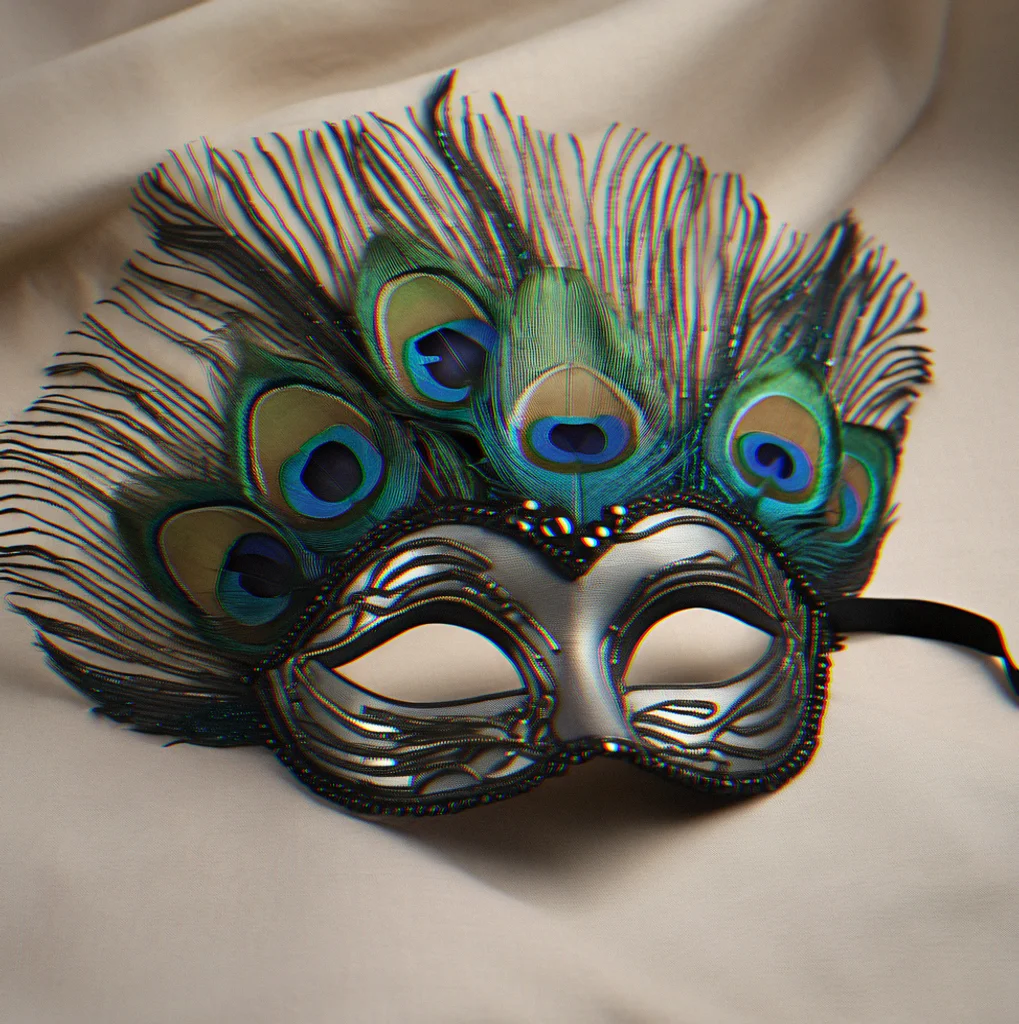
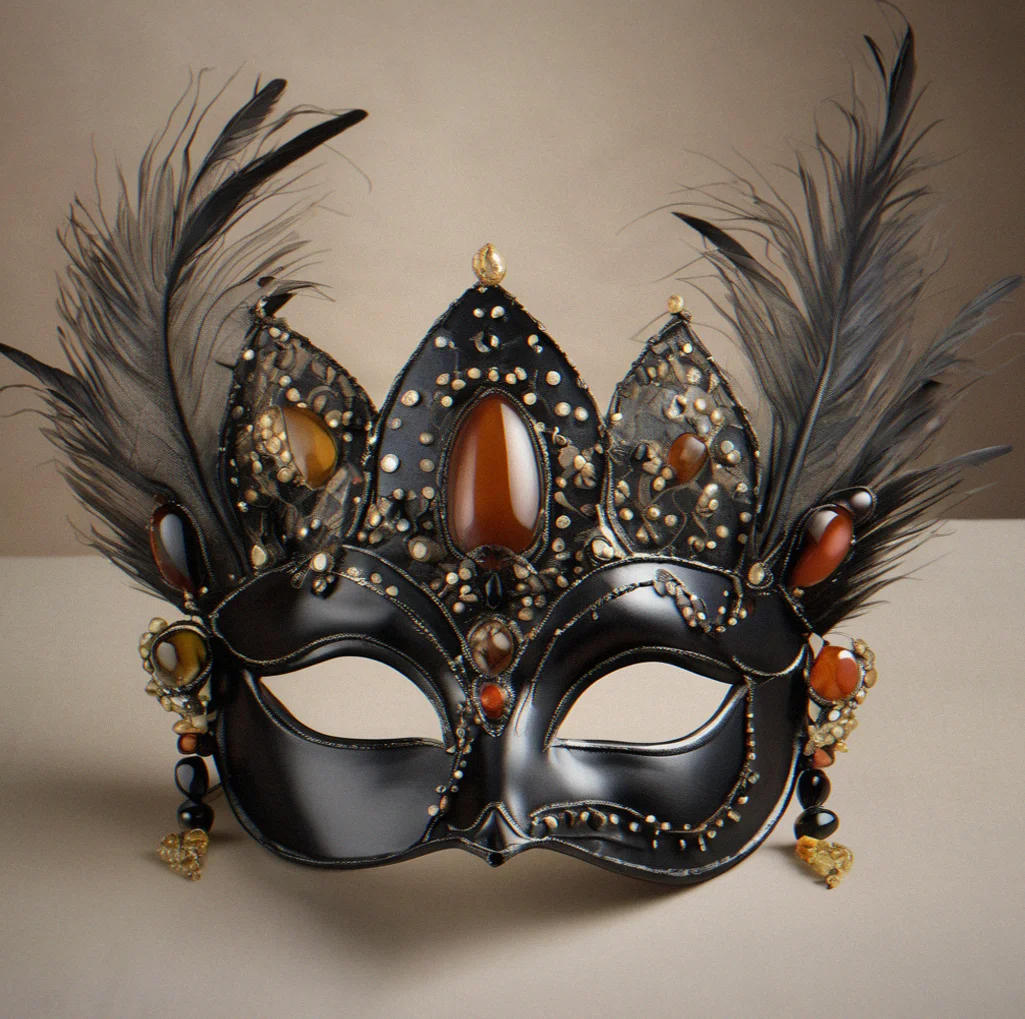
Oil pigments soak into papier-mâché in a way spray paint just doesn't. You get depth and a quiet shimmer when the light hits it during the event. Guests pick up on this right away—usually within the first hour.
Ostrich, peacock and marabou feathers come from suppliers in Como and Lyon. Each one gets attached by hand using archival adhesive. The beader doesn't follow a template. They watch how light moves across each feather and adjust placement as they go, which makes a real difference.
Nothing sitting in a warehouse waiting. You order it for your specific event, your timeline, your colors. The lead time is longer but you're getting something made fresh for you, not a leftover from someone else's booking.
Crystal and seed beads from Venetian suppliers. They're placed to bounce light at particular angles. The beader works from sketches but makes real-time decisions during the actual work.
Lighter than resin or injection-molded plastic. The material has slight give and feels different on the face over a 4–6 hour event. Guests feel the difference immediately because they're not wearing plastic around their eyes all night.
Hand-dyed silk velvet cloaks in matching shades (weight varies depending on what you prefer). Tiaras and headdresses that either connect to the mask or work standalone. You can dress a whole group wihtout forcing everyone into identical masks.
Once the event's over, your mask shifts from costume to decor or keepsake. Put it on a shelf, prop it on a stand, or keep it flat in a museum-quality box. Papier-mâché holds up for years if you leave it dry and out of direct sunlight—constant sun will gradually dull the paint finish over time. A mask that's looked after properly will actually outlive how long most people care about the event that inspired it. Some of my clients have inherited masks from their parents' galas from decades back, and they're still in good shape. Feathers naturally shed in damp air, which is just how it goes. If loose feathers bother you, you can glue them back down yourself or send the mask back for professional work, which usually runs between £40 and £80 depending on how much needs fixing. Beading doesn't move once it's on because the adhesive is archival-grade and basically indestructible compared to the mask. Keep it away from other objects that might scratch it. Wipe dust off with something soft; don't spray it with water unless you really have to. The whole point is that it's something to live with, not something to vacuum-seal and forget about.
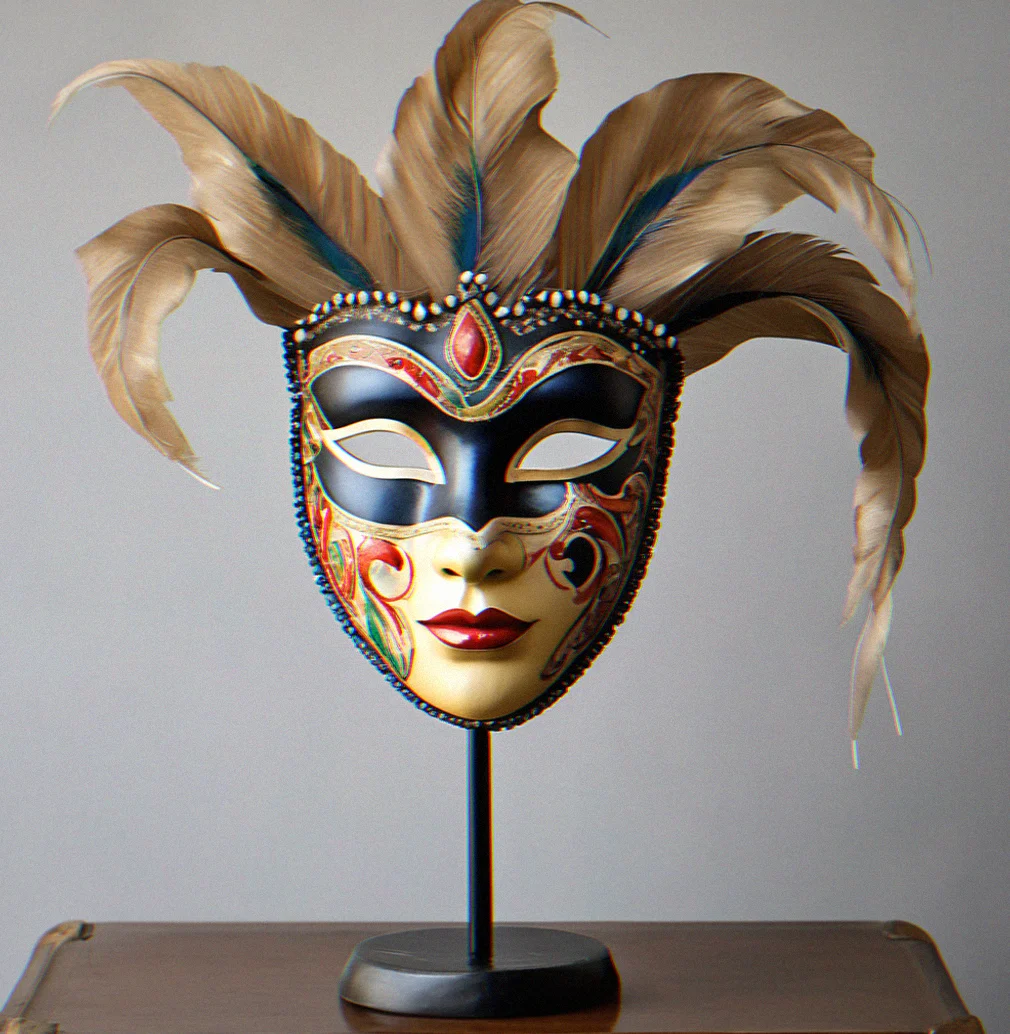
Hand-painted Venetian mask resting on a padded stand in natural light, the papier-mâché catching the glow without any plastic-y reflection
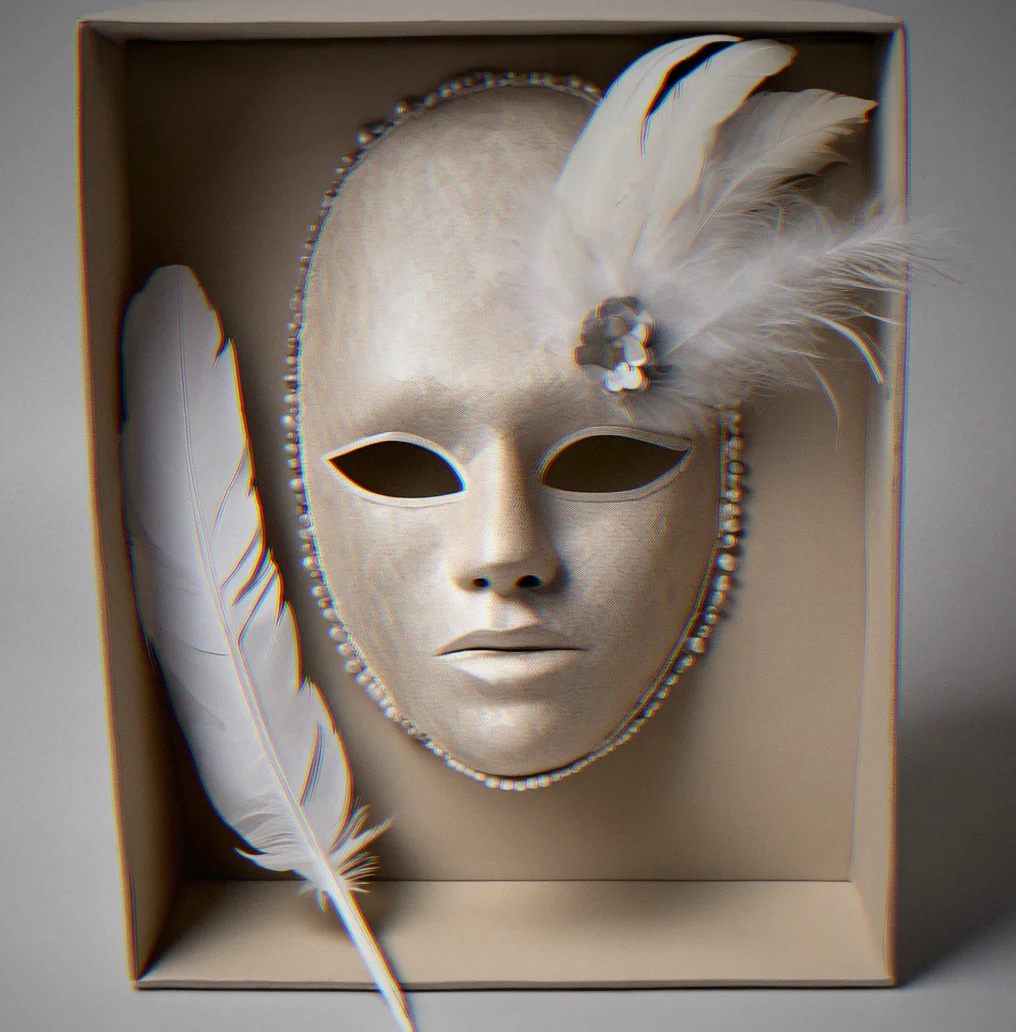
Acid-free tissue paper lines the inside of a museum-grade storage box, with the mask laid flat and protective padding tucked around the feathered and beaded parts
What does a full commission actually look like? Here's how masks work with cloaks, tiaras and headdresses to pull together an event look. Everything shown was made between early 2026 and mid-2026.
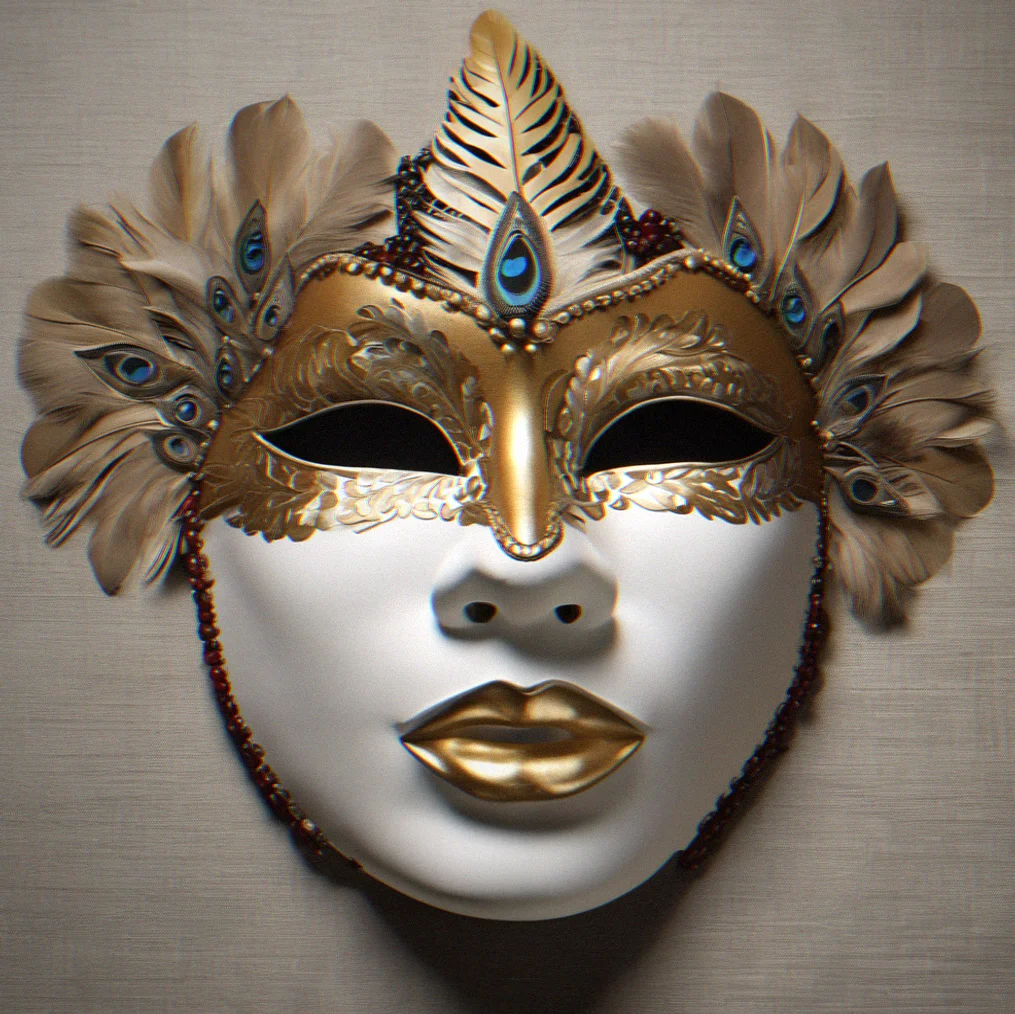
Burgundy papier-mâché Volto mask next to a hand-dyed silk velvet cloak in the same shade, draped on a studio stand so you can see how the fabric hangs and weighs
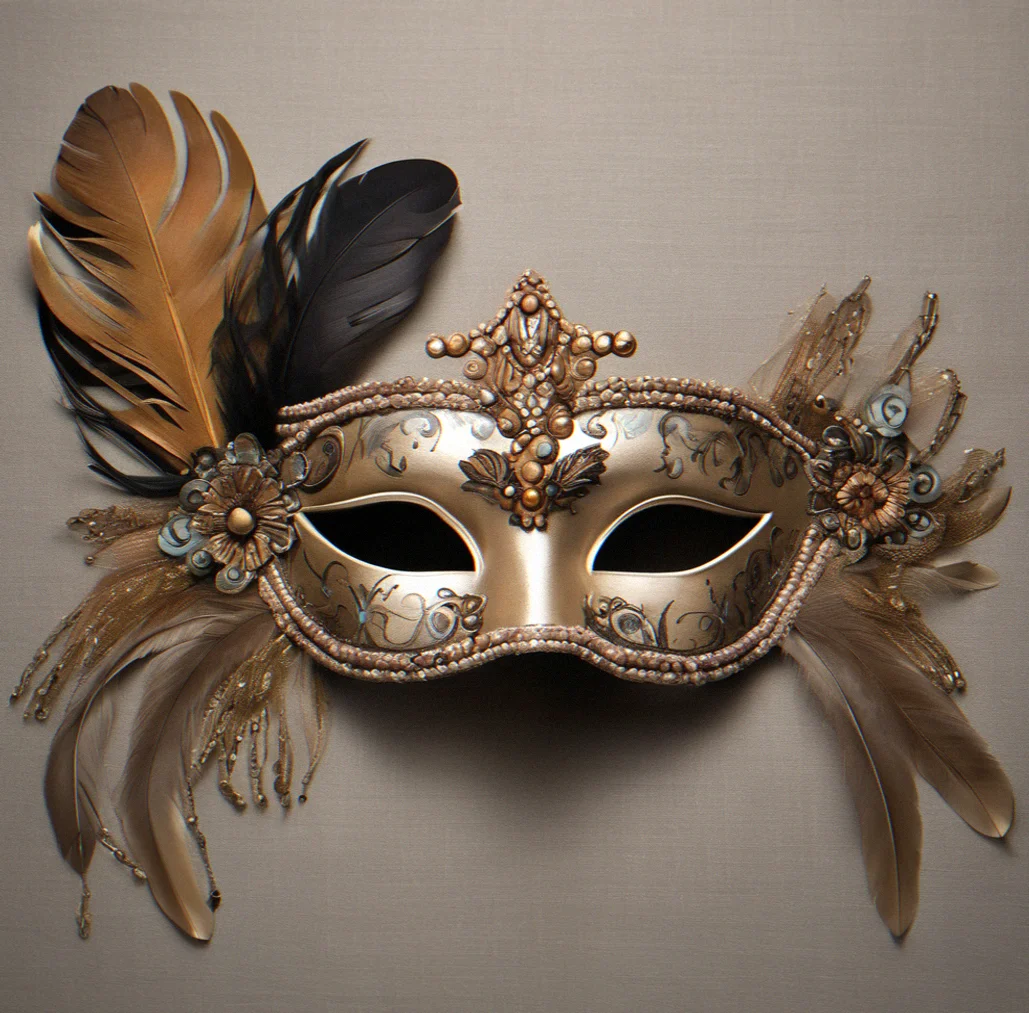
Black Colombina half-mask covered in seed bead work, shown with a coordinating tiara made from Murano glass and feathers
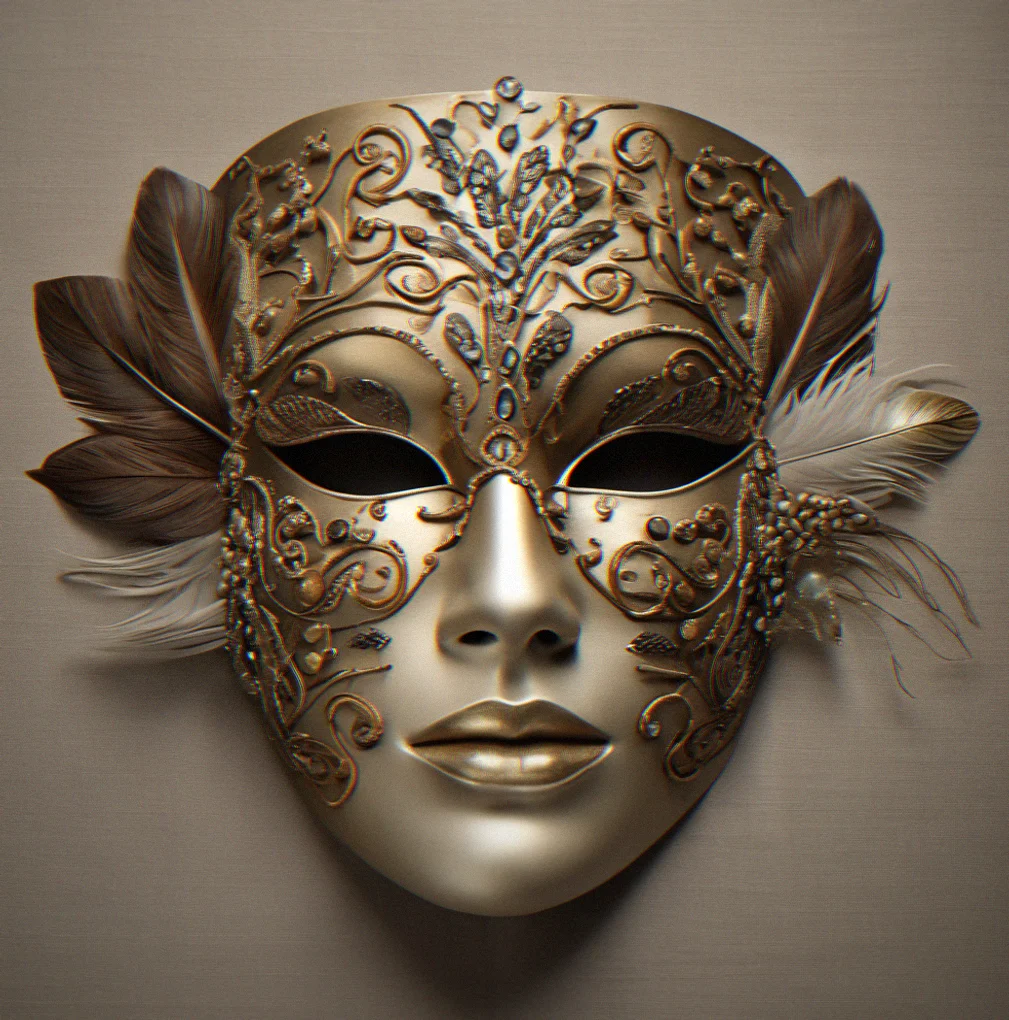
Three finished masks in gold, emerald, and ivory sitting on padded stands side by side, showing how the colors work together for a multi-person event order
Close look at the hand-dyed silk velvet cloak, heavy weight with taffeta lining underneath, edges finished by hand with the interior folded back to show how it's made
Common Questions
People tend to ask the same things before placing an order. Timeline, what it costs, what goes into it, what happens if something breaks.
Thirty minutes. No strings attached. Just us talking through your vision.